
Fashion Value in 2026 How Consumer Behaviour Is Redefining Purchase Decisions, Longevity & Resale for SMEs
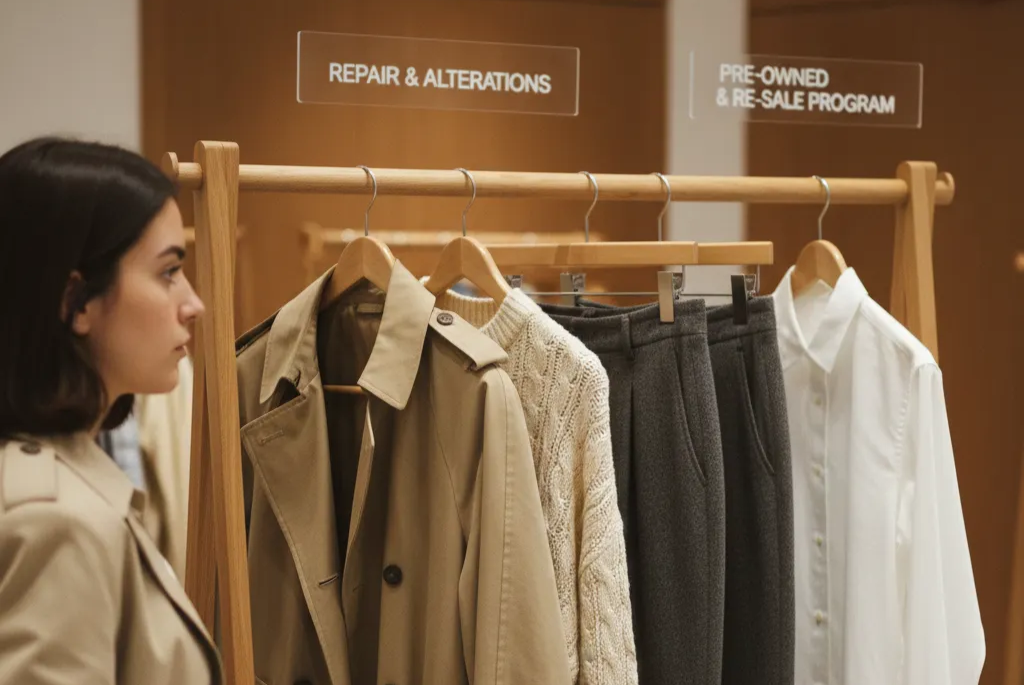
As we step into 2026, the fashion landscape feels both familiar and fundamentally transformed. Economic pressures, shifting consumer priorities, and a broader cultural re-evaluation of value are prompting shoppers to make smarter, more intentional purchases. For fashion SMEs that are nimble, creative, and deeply connected to their communities, this shift presents not a threat but a strategic opportunity.
In our previous article, we unpacked the regulatory and industry forces reshaping fashion in 2026. This piece builds on that foundation, but through a new and necessary lens focused on the consumer mind. Here, we explore how consumer expectations around value, longevity, transparency, and resale are reshaping fashion purchase decisions in 2026. We also look at how independent and growing fashion brands can align with these shifts, compete confidently and build long-term success.
Today’s Consumer Isn’t Just Cost-Conscious, They’re Value-Driven
Across global fashion markets, 2026 forecasts indicate a continued slow-growth environment, meaning shoppers aren’t buying more, they’re buying smarter. McKinsey’s latest analysis suggests ongoing economic volatility is pushing consumers toward value-based decision-making and heightened cost awareness.
This doesn’t simply mean bargain hunting. It means buyers want reassurance that what they spend on will last, serve them well, and continue to deliver value long after the first wear.
Longevity Isn’t a Buzzword, It’s Becoming Central to Value
With rising purchase scrutiny, product longevity has emerged as a powerful trust signal. Consumers are assessing garments not just on style or trend relevance, but on durability, construction quality, and long-term usability.
Durability resonates with consumers because it answers a simple but critical question:
“Will this piece justify the investment?”
This shift aligns with broader industry insights showing that consumers increasingly prioritise quality over quantity when economic sentiment is cautious.
For fashion SMEs, this should influence decisions across the value chain, from material selection and design specifications to how durability is communicated through product descriptions, care guidance and brand storytelling.
Resale Has Shifted from Fringe to Mainstream Motivation
One of the most significant changes in fashion consumer behaviour is the way shoppers now evaluate resale potential before making a purchase. Recent BCG Global reports estimate that the global secondhand fashion market is expanding three times faster than the primary market, with projections to reach up to $360 billion by 2030.
This rapid rise reflects more than price sensitivity. It signals that resaleability is now a dimension of perceived fashion value. Rather than seeing resale as a threat to new sales, reports now show resale often complements the purchase journey by helping consumers access aspirational brands, test quality, or evaluate product worth over time.
Consumers are learning to think like investors:
- Will I wear it enough to make it worth the price?
- Can it be fixed if something goes wrong?
- Will it hold value if I decide to sell it later?
- Does this product have a life beyond my wardrobe?
In 2026, the winning strategy is not to sell more products, but to sell smarter products.
Psychological Drivers Behind Value-First Shopping
Understanding consumer psychology helps SMEs communicate value more effectively. The key drivers shaping fashion purchases in 2026 include:
a) Cost-Per-Wear Thinking
Shoppers are adopting a more analytical lens to value. The Cost-Per-Wear (CPW) model is evolving from a calculation into a mechanism for purchase validation.
A well-made jumper worn 50 times feels like a better purchase than a cheaper one worn twice.
b) Confidence Over Guilt
Durability builds confidence. When consumers trust a product will last, they feel more secure and less conflicted about their purchases.
c) Resale as Reassurance
Knowing that a product has secondhand value provides a sense of future value protection at the point of purchase. This reassurance is about future worth as much as it is about sustainability.
d) Circular Engagement
Consumers increasingly expect clothing to have clear pathways beyond initial use. Repair, resale and repurposing options are becoming part of product desirability, not just end-of-life considerations.
What SMEs Should Prioritise in 2026:
1. Build Concrete Value into Your Storytelling
Consumers want evidence, not vague claims. Make product value visible by:
- Sharing material and manufacturing details
- Highlighting durability indicators or quality standards
- Providing clear care and maintenance guidance
2. Design with Longevity & Lifecycle in Mind
Multi-season styles and repair-friendly construction reinforce long-term product value.
3. Signal Resale & Circular Value Early
Even without running a resale platform, SMEs can communicate:
- Expected resale potential or value ranges
- Circular use-case positioning
- Partnerships with trusted resale or repair platforms
4. Use Structured Product Data
Tools like digital product passports enable SMEs to surface durability, origin, and lifecycle indicators directly within product experiences. This strengthens purchase confidence and credibility.
The Bigger Picture
Fashion in 2026 is no longer just about what you make, but how consumers perceive what they buy. Value has evolved from price tags to proof-based purchasing behaviour. Quality, longevity, and secondhand viability are now core dimensions of fashion value, not fringe considerations.
For fashion SMEs, this new value equation is an opportunity, not a constraint. Because the brands that help consumers feel confident by backing their products with transparency, integrity, and proof will earn loyalty that lasts beyond a single season.
At DigiProPass, we see transparency and traceability as tools for value communication, not just compliance checkboxes. By enabling brands to surface origin data, durability markers, care instructions, and resale signals through structured digital product passports, we help fashion SMEs tell the story that modern consumers are actually listening to.
2026 won’t reward brands that sell more. It will reward brands that prove their products are worth more.
Are your products telling customers how long they can live, or just how good they look today? Let’s talk.